
How to Thank Your Nurses: Gifts for One Nurse or a Whole Unit
By the Gift DeskUpdated 12 hand-picked ideas
The ideas at a glance


Most people leave a hospital with a list of names they’ll never forget. The nurse who explained everything at 3am when nobody else would. The one who noticed something was wrong before the monitors did. The one who sat with your mother so you could go home and shower. Wanting to thank them is natural. Working out how is harder, because a hospital isn’t an office, and nurses don’t work nine to five.
This guide is for patients and families saying thank you after a stay, a birth, a long illness or a loss. It starts with what to check before bringing anything in, since many hospitals have rules, and with the one thank-you every nurse can accept. Then come gifts for an entire unit that reach every shift, small extras that can ride along with a card, and a few gifts for one particular nurse, if the hospital allows it.
If the nurse is someone in your own life, our gifts for nurses guide is built around their shifts and days off. For other people who helped during a hard time, see thank-you gifts.
Giftruly is reader-supported. When you buy through our links we may earn a commission, at no extra cost to you. How we pick
Thanking nurses well
Call the unit or ask the charge nurse about gift rules before you buy. Policies vary a lot between hospitals.
Plan for every shift. Nights, weekends and the aides and clerks all deserve a share.
Write a letter naming the nurse and send a copy to their manager. If the hospital takes part in the DAISY Award, nominate them.
Stick to sealed, packaged food with an ingredient label, and skip flowers for intensive care units.
For a nurse you know personally, our gift finder can suggest gifts that fit who they are outside work.
Questions about thanking nurses
What is the best way to thank a nurse?
A specific, written letter, with a copy sent to the nurse manager, is the thank-you nurses value most. If you’d like to bring a gift too, a box of individually wrapped snacks or a supply of coffee for the unit is welcome almost everywhere.
Can nurses accept gifts from patients?
It depends on the hospital. Many allow small gifts, especially food shared with the whole unit, but restrict cash, gift cards or anything expensive given to one person. Ask the unit before you buy.
What food should I bring nurses?
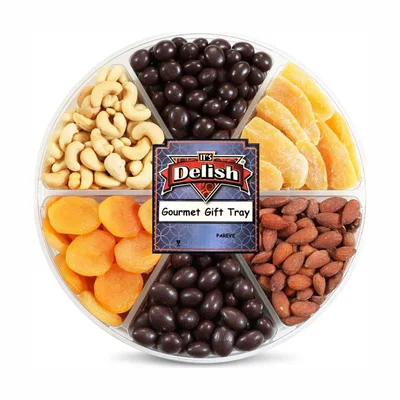
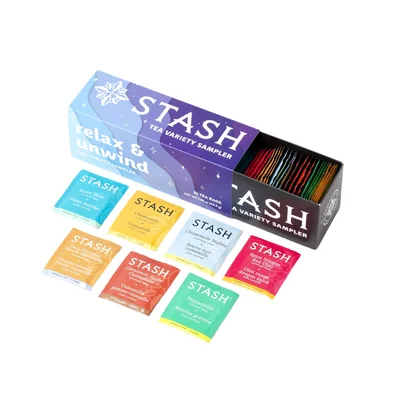
Sealed, store-bought food in individual portions: snack variety boxes, wrapped chocolates, packaged cookies, coffee pods or tea. Avoid homemade food and anything that needs refrigeration or cutting, and bring enough for the night shift.
How much should I spend on a thank-you for nurses?
There’s no expectation at all. A unit gift of $30 to $60 in snacks or coffee is generous, and it goes further than one expensive item. For an individual nurse, keep it under the hospital’s limit, often a modest amount, so they can accept it comfortably. The letter costs nothing and often means the most.
What is the DAISY Award?
The DAISY Award for Extraordinary Nurses is a recognition program run in many hospitals, where patients, families and colleagues nominate nurses for exceptional care. If the hospital takes part, the nomination form is usually on its website or available from the unit.
If you’re thanking nurses after someone you love has died, a letter alone is enough, and it may be the most meaningful thank-you they receive all year. Nurses in hospice, intensive care and oncology often wonder how families are doing afterward. Telling them that their care mattered, and naming the moment that did, is a kindness that goes both ways.